
Get a Free Quote
Thank You!
We'll get back to you shortly. For immediate help, call (980) 272-5340.
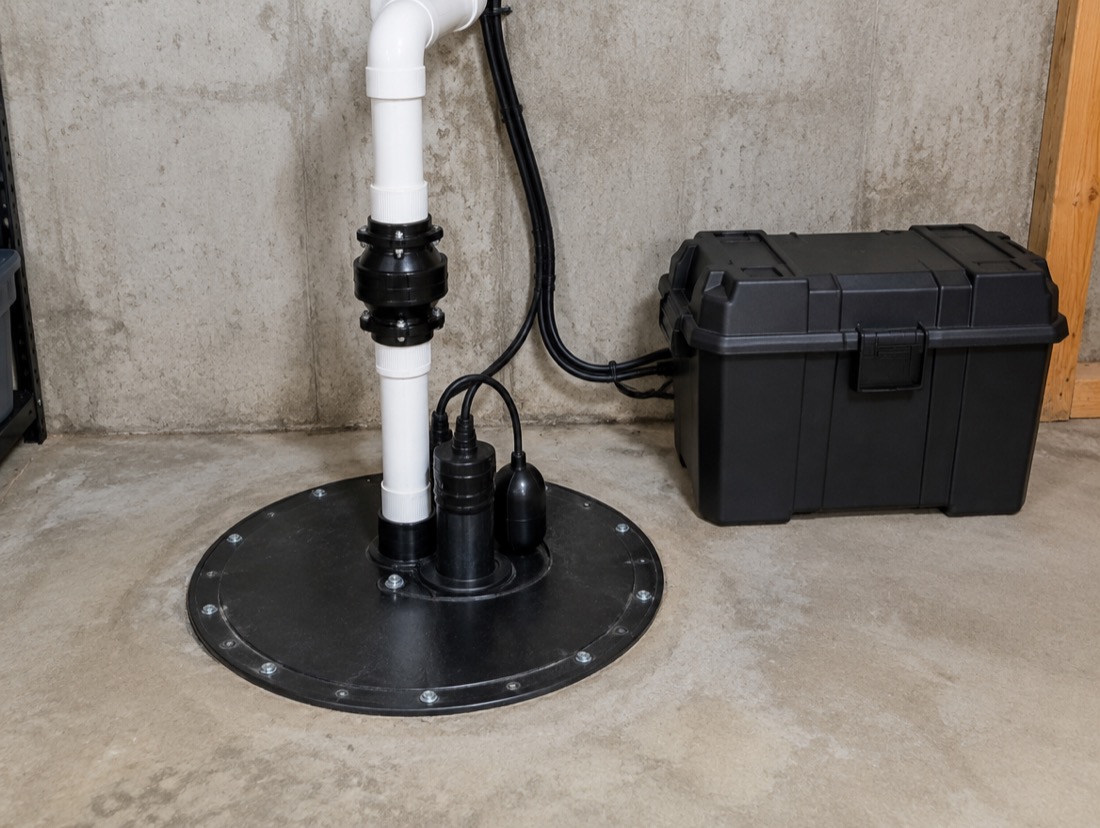
Charlotte Sump Pump installs, replaces, and repairs sump pump systems for homeowners across the Charlotte area. When water collects under the house, in a crawl space, or against the foundation, a sump pump is what moves it out and keeps it out. We handle the whole job: the basin, the pump, the discharge line, and a battery backup so it keeps running when a storm takes the power with it.
Most Charlotte homes sit on a crawl space or slab, not a deep basement, so the water problem here is usually a wet crawl space fed by our heavy clay soil. Mecklenburg's Cecil clay holds water instead of letting it drain, and in a hard rain that water presses in against the foundation and pools under the house. We size the pump to the water you actually get, pair it with interior drainage when it is needed, and set the discharge where the water will not simply circle back.
Not sure you need one? These are the signs we see most in Charlotte crawl spaces and basements.
After a heavy rain you find actual puddles or wet mud under the house, not just damp air. Liquid water that collects and sits is exactly what a sump pump is built to remove. If it keeps coming back, you need a pump, not just a fan or a vapor barrier.
Water under the house does not stay under the house. It shows up as a musty smell in the rooms above, drooping or moldy insulation, and hardwood floors that cup or feel soft. Those are signs the crawl space is holding water that needs somewhere to go.
An existing pump that runs constantly, kicks on and off every few seconds, or sits dead in the pit is telling you something: a stuck float, a failed check valve, an undersized pump, or the end of its life. We find out whether it needs a repair or a replacement.
Charlotte's worst water comes with the storms that also knock out power, which is exactly when a plug-in pump stops. If your system has no battery or water-powered backup, it is one outage away from a flooded crawl space.
Every system we install does one job: get water out from under your home and keep it out. Here is what we do across the Charlotte area.
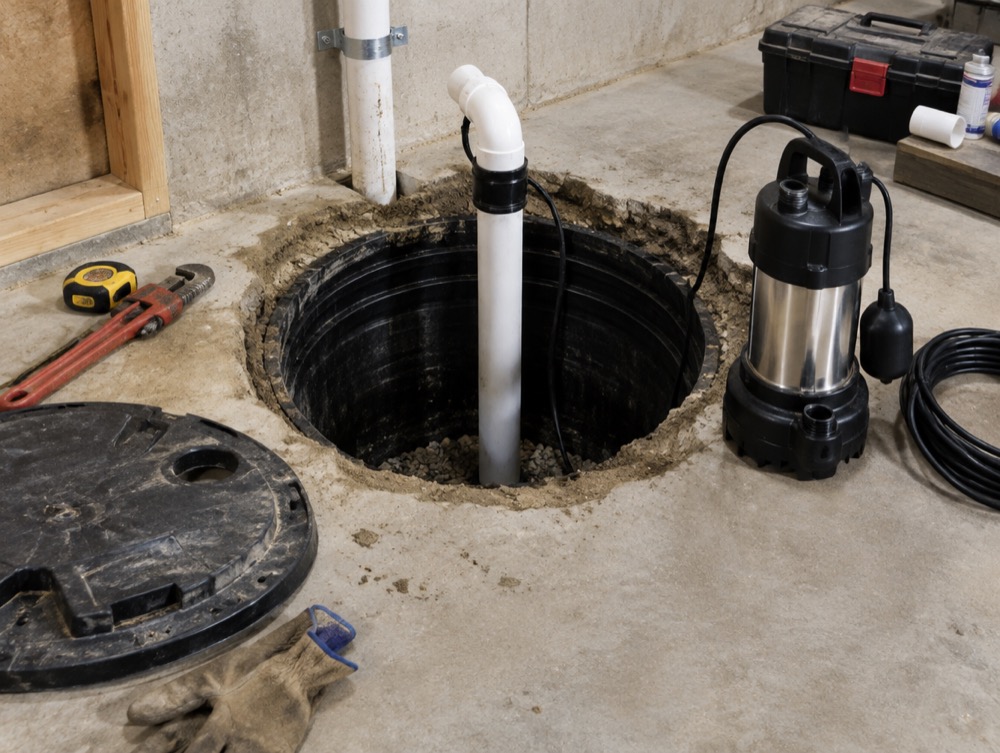
A sump pump is the system that actually keeps water out from under a Charlotte home. We dig a basin at the low point where water collects, set a submersible pump in it, and run a discharge line that carries the water well away from the foundation. A check valve keeps it from flowing back, and a float switch turns the pump on only when the water rises.
The details decide whether it works for fifteen years or fails in a storm. We size the pump to the water your crawl space or basement actually takes on, set the basin deep enough to stay ahead of the inflow, and run the discharge to a spot where the water will not circle back to the house. On most Charlotte jobs we tie the basin to an interior drain so the whole space feeds the pump.
We also plan for the storm that knocks out power, because that is when the pump matters most. A battery or water-powered backup is the difference between a dry crawl space and a flooded one during an outage.
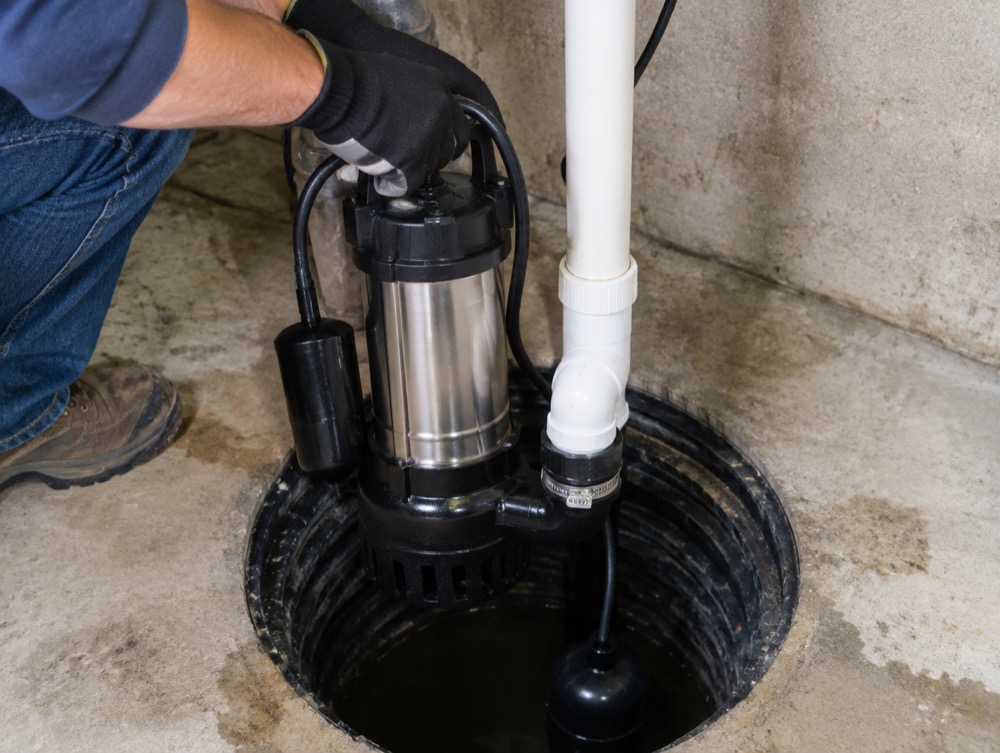
Sump pumps wear out. Most run five to ten years, and the one that fails is almost always the one that was never sized or installed right in the first place. If yours is old, loud, rusted, or short-cycling, replacing it before the next big rain is a lot cheaper than cleaning up after it quits.
We pull the old pump, check the basin, check valve, and discharge line while we are in there, and set a properly sized new pump that fits your home's actual water load. If the old setup was undersized or missing a backup, we fix that too instead of bolting a new pump onto an old problem.
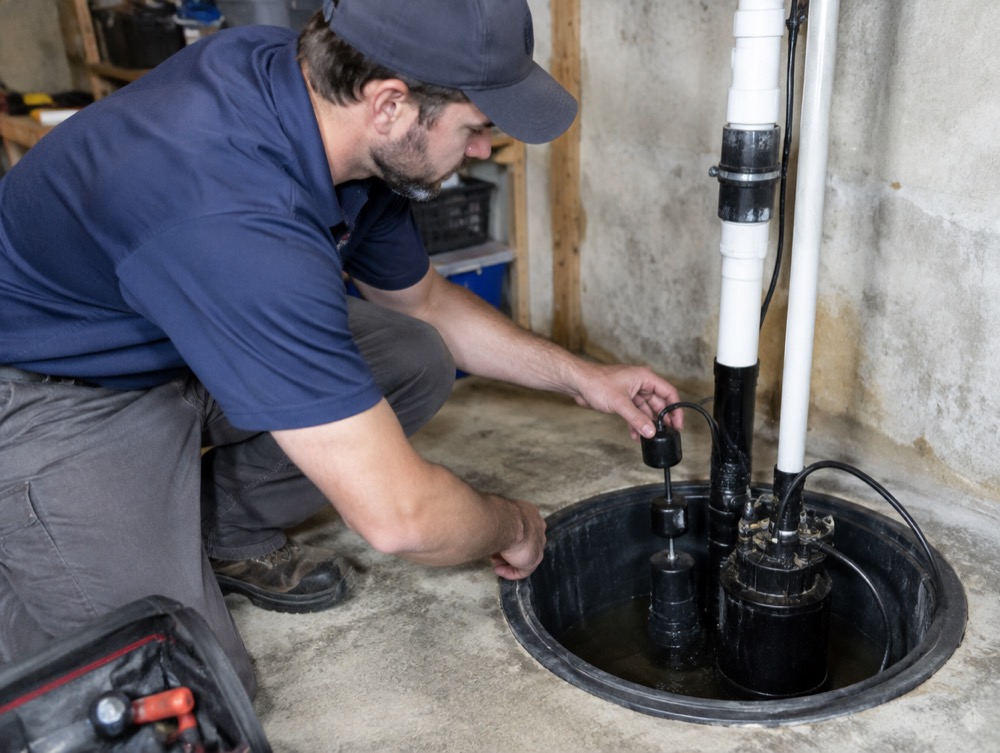
When a pump stops working, it is usually one of a few things: a float switch stuck or tangled, a failed check valve letting water run back into the pit, a clogged intake, a tripped breaker, or a motor that has burned out. We diagnose which one it is instead of guessing.
If a repair will get you a few more good years, that is what we will do and we will tell you so. If the pump is at the end of its life, we will say that too, so you are not paying to patch something about to fail again. Either way you get a straight answer, not an automatic upsell.
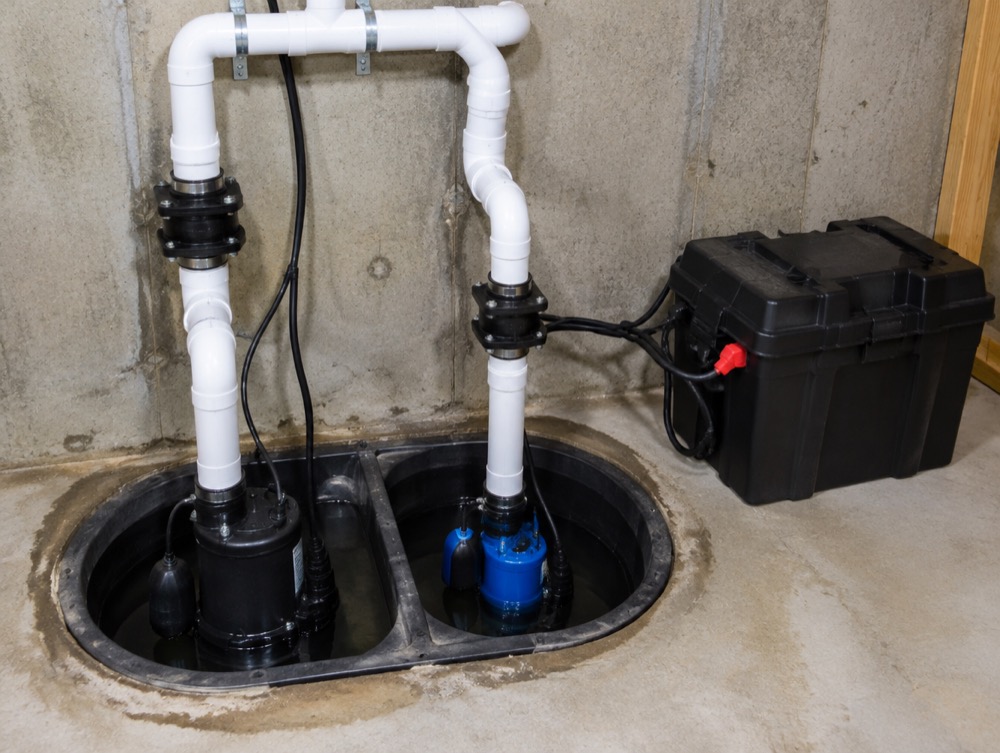
A standard sump pump runs on house power, so it stops in a power outage, and in Charlotte the heaviest rain and the power outages tend to arrive together. A battery backup is a second pump with its own battery that takes over the moment the main pump loses power or cannot keep up.
We install the backup pump, battery, and a high-water alarm so you know if the water ever rises past the main pump. For homes on city water, a water-powered backup is an option that never needs a battery charged. We help you pick the one that fits your setup.
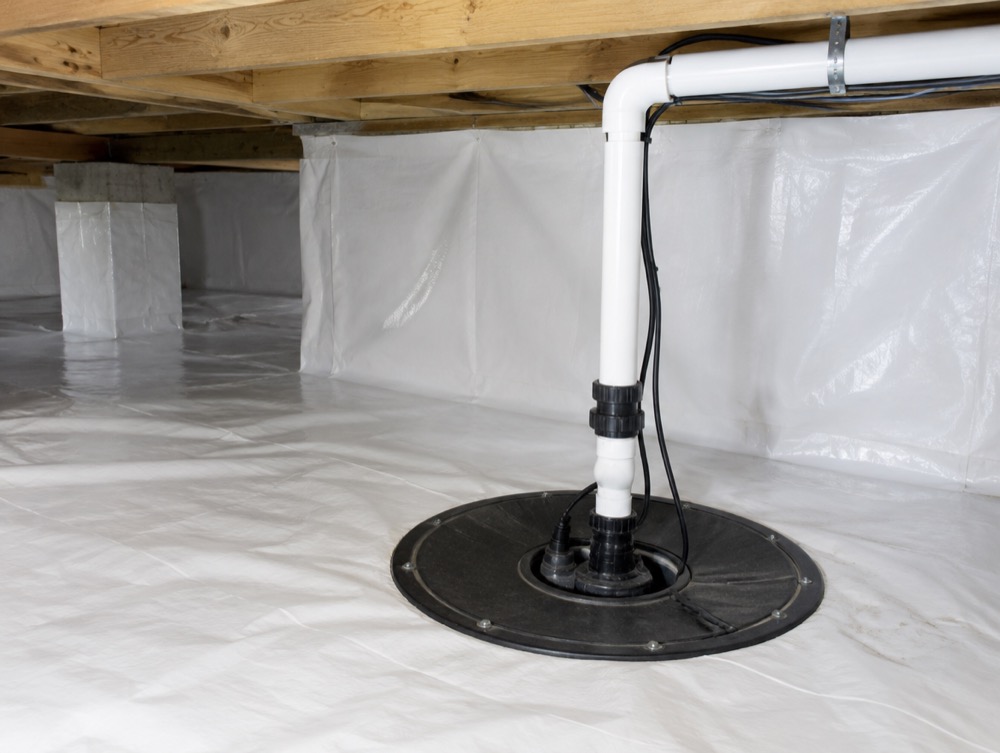
Most Charlotte homes have a crawl space, not a basement, and that is where the water problem usually lives. Our clay soil holds water against the foundation, and in a hard rain it seeps in and pools on the crawl space floor, feeding mold, rot, and that musty smell upstairs.
We set a sump basin at the low point of the crawl space, run interior drainage to feed it, and pump the water out and away from the house. Paired with a vapor barrier or encapsulation, it keeps the space dry for good, not just drier. It is the fix when the crawl space takes on real water, not just humidity.
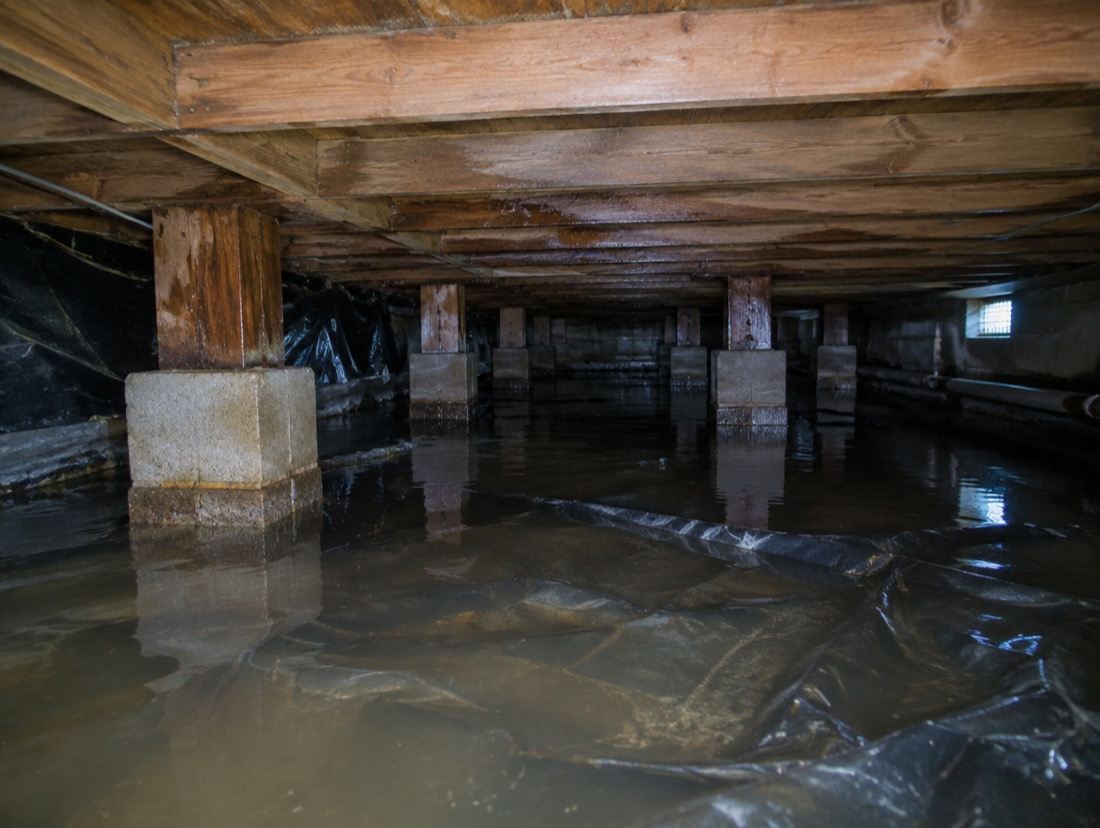
A wet crawl space in Charlotte is rarely bad luck. It comes down to the ground your home sits on and the storms that roll through, and both work against you here. Here is what is actually putting water under your house.
Most of Mecklenburg County sits on Cecil clay, the dense red-clay soil that is the state's most common. Clay does not let water pass through it the way sand does; it soaks up rain and holds it, right up against your foundation. So instead of draining away into the ground, the water sits and looks for the lowest opening into the house.
When that saturated clay cannot hold any more, it pushes. The water pressure builds against your footings and foundation walls and forces moisture through block, cracks, and cold joints into the crawl space or basement. This is why a hard, soaking rain, not just a flash downpour, is usually what floods a Charlotte crawl space.
Most Charlotte homes are built over a crawl space or slab rather than a deep basement, and the crawl space is the low point where all of that water ends up. Once it is under the house it does not just dry out; it feeds mold, rots framing and insulation, and sends that musty smell up into the rooms above. A sump pump is what pulls it back out.
Charlotte's heaviest rain comes with summer thunderstorms and the remains of tropical systems, and those are the same storms that cut the power. A pump that runs on house current quits at the exact moment the water is rising fastest. That is why a battery or water-powered backup is not an upgrade here, it is the part that makes the system reliable.
None of this fixes itself, because the clay and the crawl space are not going anywhere. The answer is to give the water a low point to collect and a pump to send it back outside, with a backup for when the storm takes the power. That is exactly what a sump pump system does.
Setting a pump in a pit is the easy part. Sizing it right, sending the water somewhere it won't come back, and planning for the power outage are what make it work. Here is how we do it.
Every job starts with a free on-site look, not a quote over the phone. We check where the water pools, how fast the crawl space or basement takes it on, and whether it is liquid water a pump can move or a humidity problem that needs a different fix. Getting that right is most of the job.
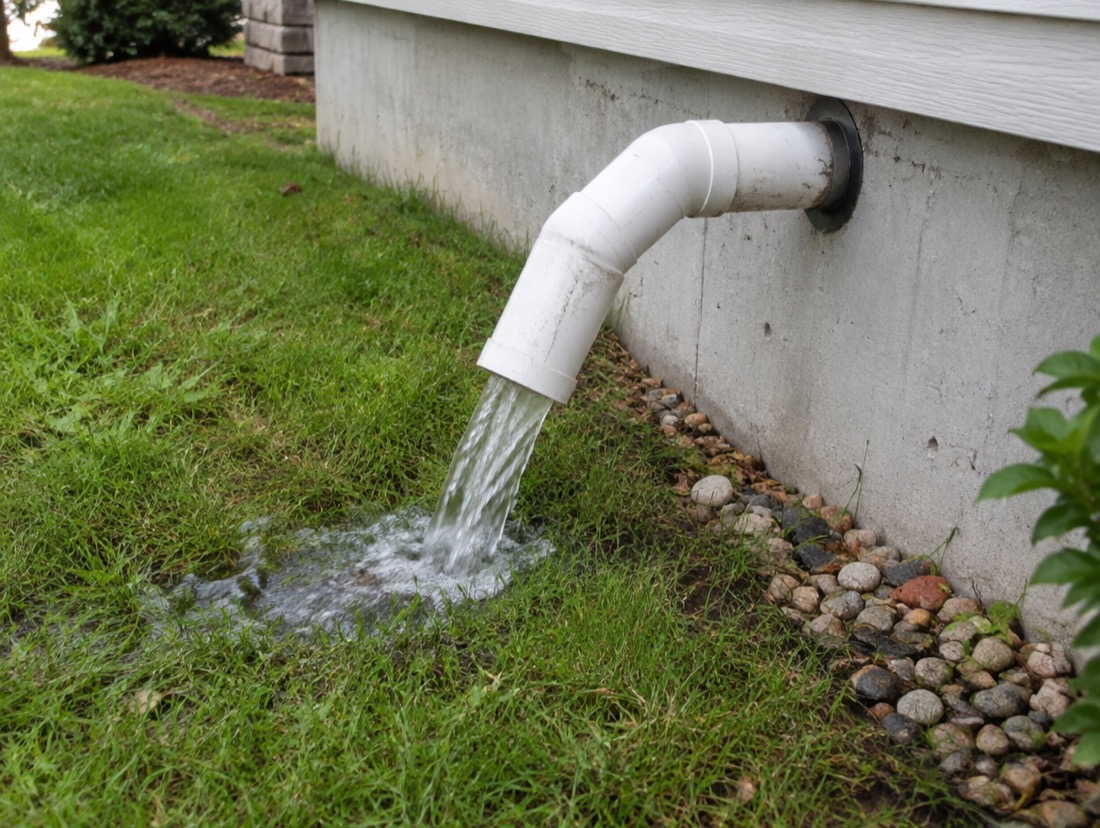
Before we dig, we size the pump to the water your home actually gets and decide where it will go. The discharge has to run far enough from the foundation that the water does not just soak back in, and in North Carolina it cannot be dumped onto a neighbor or into the sewer. We settle the outlet first.
We dig the basin at the true low point, set a submersible pump, add a check valve so water cannot run back into the pit, and tie in interior drainage where the crawl space needs it. Then we add the battery or water-powered backup and a high-water alarm, because the storm that floods you is the one that also cuts the power.
We pour water in to confirm the float triggers, the pump moves it, and the discharge carries it clear, then we seal the basin and leave the space clean. You end with a system you can hear kick on when it needs to, and a dry crawl space the rest of the time.
We are not a general plumber who fits a sump pump in between water heaters. Getting water out from under Charlotte homes is the focus, so you get a crew that sizes, sets, and backs up pumps all the time, not someone guessing at it on your job.
We come out, find where the water is really coming from, and tell you straight, even when the answer is a repair instead of a whole new system, or a drainage fix instead of a pump. If it is a humidity problem and not standing water, we will tell you that too.
You get one fixed price in writing before we dig. No hourly meter, no change order halfway through, and no bigger number waiting at the end. The quote is the price.
Every job is handled by licensed, insured crews and stands behind a written warranty on the pump and the work. Your home is covered while we are in it, and the system is covered after we leave.
Most sump pump companies around Charlotte won't post a number. We will. A simple repair or pump swap is the low end, and a full crawl space system with a battery backup is the high end. The exact price depends on your pit, your water, and your backup, so the ranges below are for planning and the real number comes from a free on-site visit.
Service an existing pump or drop a new one into an existing pit.
A new basin, pump, and discharge line, often in a crawl space with interior drainage.
Pump plus a battery or water-powered backup and a high-water alarm for storm and outage protection.
What moves the price: a repair versus a new install, whether a basin already exists, how much interior drainage the crawl space needs, the pump size and brand, adding a battery or water-powered backup and alarm, and how far the discharge has to run to a safe, legal outlet.
These are typical Charlotte ranges for planning, not a quote. Every crawl space and basement is different, so we price yours at a free on-site inspection before any work begins.
Straight answers to what we hear most during free sump pump inspections around Charlotte.
Most sump pump jobs in Charlotte run between about $300 for a simple repair and $6,000 or more for a full crawl space system with a battery backup. A pump replacement in an existing pit is usually $300 to $1,500, and a new installation runs around $1,500 to $4,000. The exact number depends on your pit, your water, and whether you add a backup, so every job gets a free on-site price first.
You need one if liquid water actually collects under your house, in the crawl space or basement, after it rains or when the water table is high. A sump pump moves standing water out; it does nothing for humidity or vapor, which need a vapor barrier or dehumidifier instead. At the free visit we check which problem you actually have and tell you straight.
The right size comes down to how much water your home takes on and how far it has to be pumped up and out, not just the horsepower on the box. Most Charlotte homes are well served by a 1/3 to 1/2 HP pump, but a crawl space that floods hard or a long vertical run may need more. We size it to your actual water load so it is not constantly running or badly undersized.
A good sump pump usually lasts about five to ten years, and the backup battery needs replacing every three to five years. Pumps that run constantly, cycle on and off rapidly, or sit in dirty pits wear out sooner. If yours is near that age or acting up, it is worth replacing before the next big storm rather than after it fails.
In Charlotte, yes, more often than not. The heaviest rain comes with the storms that also knock out power, and a standard pump runs on house current, so it quits exactly when the water is rising. A battery or water-powered backup keeps the system running through an outage, which is when a flooded crawl space usually happens.
Yes, and in Charlotte that is the most common place for one, since most homes are built over a crawl space rather than a deep basement. We set the basin at the low point of the crawl space, feed it with interior drainage, and pump the water out and away from the house. Paired with a vapor barrier it keeps the space dry for good.
The pump pushes the water out through a discharge line that has to carry it well away from the foundation, so it does not just soak back in and cycle again. In North Carolina you cannot run it onto a neighbor's property or into the sewer, so we plan a safe, legal outlet, usually daylighting it downhill or to a spot that drains away from the house.
It depends on the age and the problem. A stuck float, a bad check valve, or a clogged intake on a newer pump is a repair. A pump that is near the end of its life, undersized, or burned out is better replaced, because patching an old pump usually means doing it again soon. We tell you which one it is instead of defaulting to the bigger job.
Some plumbers do, but a sump pump is really a water-management job, not just a plumbing fitting. It takes sizing the pump to the water, setting the basin and discharge right, handling the crawl space, and adding a backup. We focus on exactly that, so the system is built to keep the water out, not just hooked up.
We install, replace, and repair sump pumps for homeowners across Charlotte and the surrounding towns, from the older neighborhoods in town out to the newer communities ringing the metro.